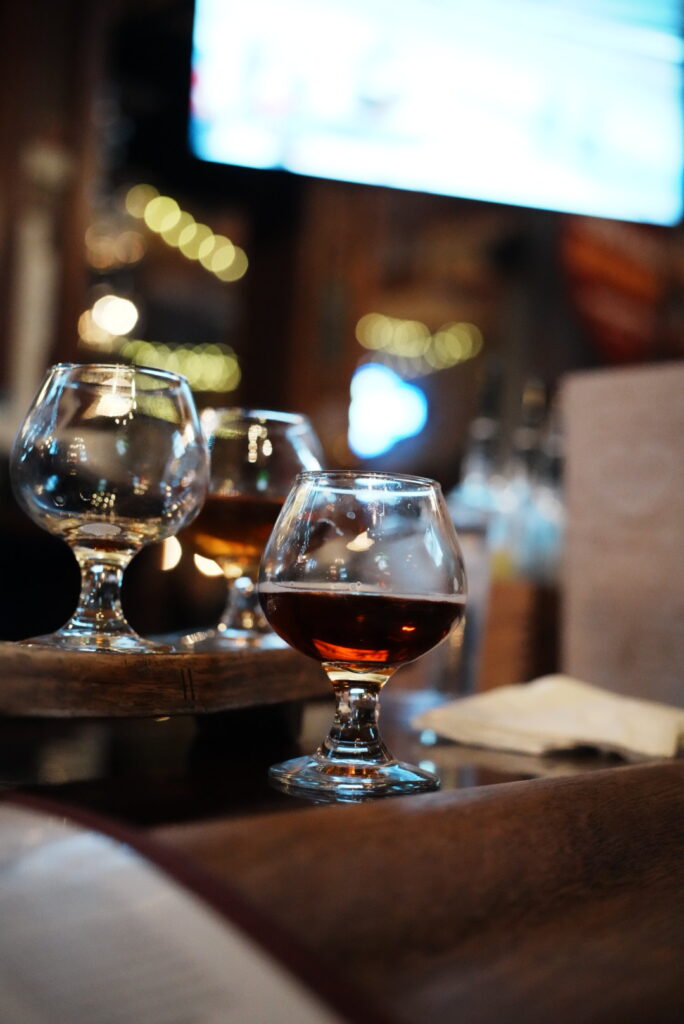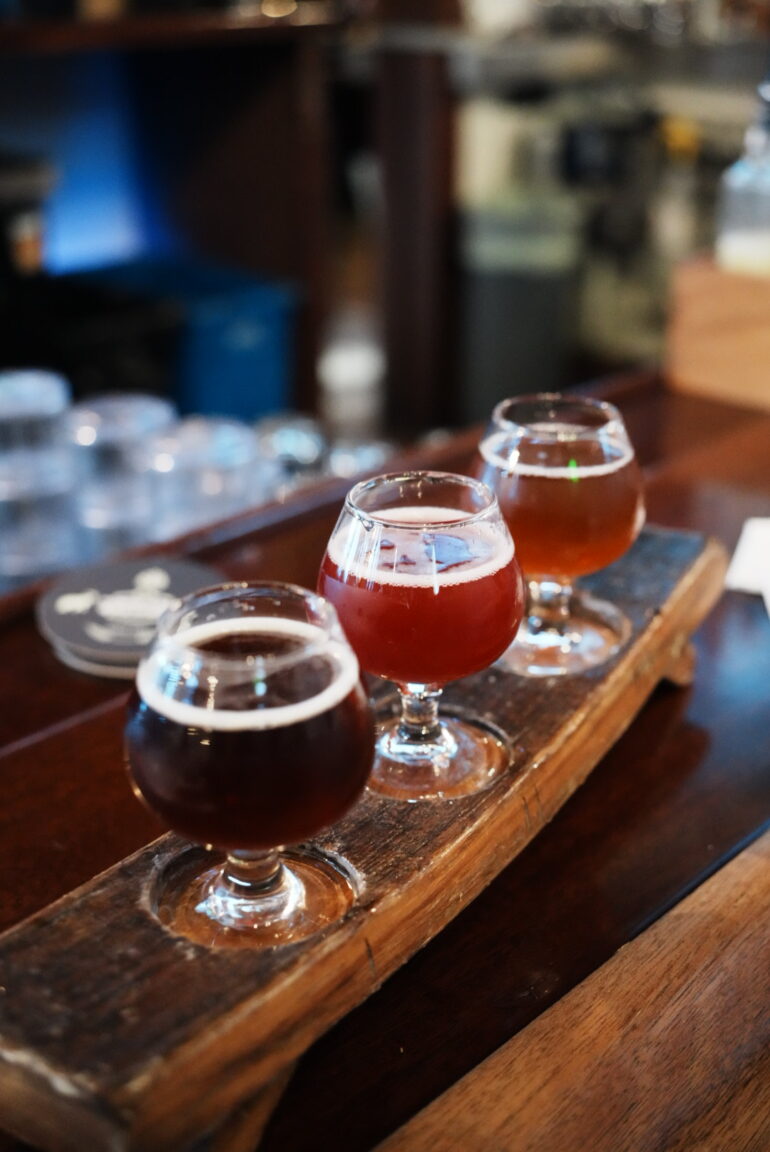

By the second week of February, winter has had Minnesota in a tight, frigid grip for months, and beer fans here are usually looking for the same thing: big beers, deep flavors, thoughtful barrel character, and something sturdy enough to keep the chill at bay. Every year around this time, those prayers are answered by one event in particular: Town Hall Brewery’s Barrel Aged Beer Week—an annual release that this year features twenty-three unique barrel-aged beers across a wide range of styles and barrel types.
Every year, this week feels like the signal that big-beer season is fully here. It is not just about high ABV or scarcity, even though these beers often deliver both. It is about balance, intention, and the kind of craftsmanship you can taste from first pour to final sip.
Why This Week Matters
Town Hall has long been one of Minnesota’s most decorated breweries, and barrel aging has been central to its identity for years—well before the modern barrel-aged boom became common brewery programming. Mike Hoops and the team have been refining this program since around 2000, often considered pioneers of the craft, and that long history shows in the finished beer.
What has always separated Town Hall’s approach is the pairing mindset. This isn’t just “put beer in whatever barrel you can find and hope for the best.” The program is built around matching a specific base beer (or, in some cases, blended base beers) with barrel character so the result feels integrated and intentional, not loud for the sake of being loud.
That’s why people keep coming back, including regulars we spoke with who have attended this event every year for more than twenty years straight. The lineup consistently rewards both classic barrel-aged drinkers and people chasing something more adventurous.
This Year’s Theme: Interesting Variety Abounds
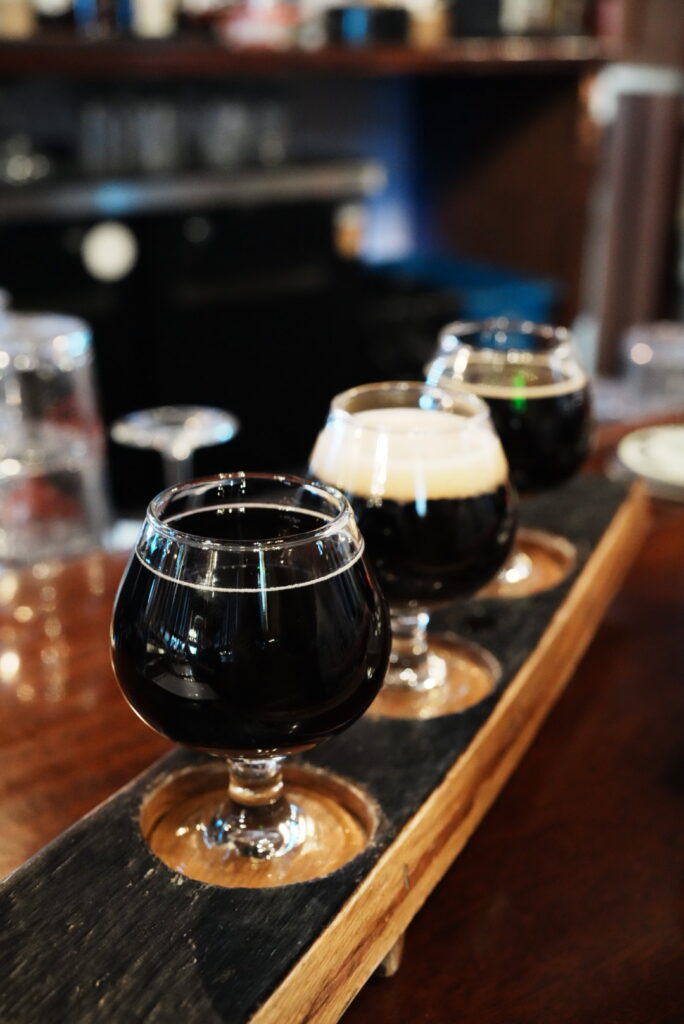
If there was one clear takeaway from this year’s tasting, it was variety and complexity. There were fewer stouts than some expected (only three on the menu), but the range of barrel expressions—rum, red wine, tequila, bourbon, plus freeze-concentration experiments—made this one of the more dynamic years in recent memory.
In short: very few misses, a lot of personality, and several genuinely standout pours. There are twenty-three beers total—some familiar, most new this year—and if you have the time to work through the full menu over the week, we absolutely recommend it. But for those wanting to prioritize first, our tasters compared notes across flights and narrowed the list to seven can’t-miss options, should you need a starting point.
1) Old Vine Cruvée
Grand Cru aged in California Red Zinfandel barrels
This earned “masterpiece” status at our table for good reason.
Brewery notes: blackberry, red currant, black cherry jam, buttery oak.
Our panel notes: Visually, it may be the prettiest pour of the week—clear, vibrant ruby, and almost luminous in the glass. Aromatically, it opens with dark berry preserves and soft oak before moving into a subtle red-wine tannin note. On the palate, it reads more like macerated fruit and jam than candy sweetness. Several of us kept circling back to how “natural” it tasted—fruit-forward, yes, but never artificial.
Context that mattered: In a week full of heavier dark pours, this one stood out by being layered without being weighty. It felt like a true marriage of base beer and barrel rather than either component trying to dominate.
Why it’s a must-order: It delivers depth, elegance, and one of the cleanest examples of wine-barrel integration in the lineup.
2) MN Native Juliet Mixed Culture
Mixed-culture ale with Juliet sour cherry character
For some at our table, this was the best beer of the entire event. It was also the lowest ABV of the seven, at 6.5%, which made its complexity even more impressive.
Brewery/context notes: mixed-culture expression with cold-climate cherry influence.
Our panel notes: The nose initially leaned rustic—light barnyard, hay, faint bready funk—but the palate was the revelation: delicate, sparkling, and precise. The cherry profile came across as real fruit flesh and skin, not syrupy flavoring. A fine, champagne-like carbonation gave it lift, while the acidity stayed focused and refreshing instead of sharp. As it warmed, the beer opened into more depth without losing that elegant structure.
Context that mattered: This was one of the most debated beers in the room in the best way. People reacted differently to the aroma, but everyone respected how complete the palate was.
Why it’s a must-order: If you value nuance and texture over brute force, this is essential.
3) Double Barrel Xtra Milk Stout
Double barrel milk stout
This was the universal hit. Across our group, this was the easiest consensus top-tier beer of the night.
Brewery notes: chocolate, fudge, tootsie roll, nougat.
Our panel notes: The aroma led with cocoa powder and dark chocolate truffle. First sip delivered brownie-batter richness, then settled into bittersweet chocolate, mild vanilla, and a toasted sugar edge. The real surprise was structure: it drank drier and tighter than expected for a milk stout, with a plush body but no syrupy fatigue.
Context that mattered: In a category where big stouts can easily drift into pastry excess, this one showed restraint. It was rich, but disciplined. Sweet-adjacent, not sweet-dominated. It also felt closest to that classic barrel-aged stout comfort zone—just executed at an exceptionally high level.
Why it’s a must-order: It’s a complete barrel-aged stout—expressive, polished, and highly drinkable for the intensity.
4) Double Oaked Baltic Porter
Baltic Porter aged in red wine barrels, then bourbon barrels
This was the sophisticated choice at our table and one of the most technically impressive beers of the entire week.
Brewery notes: chocolate, caramel, rich red berry fruit, tannins.
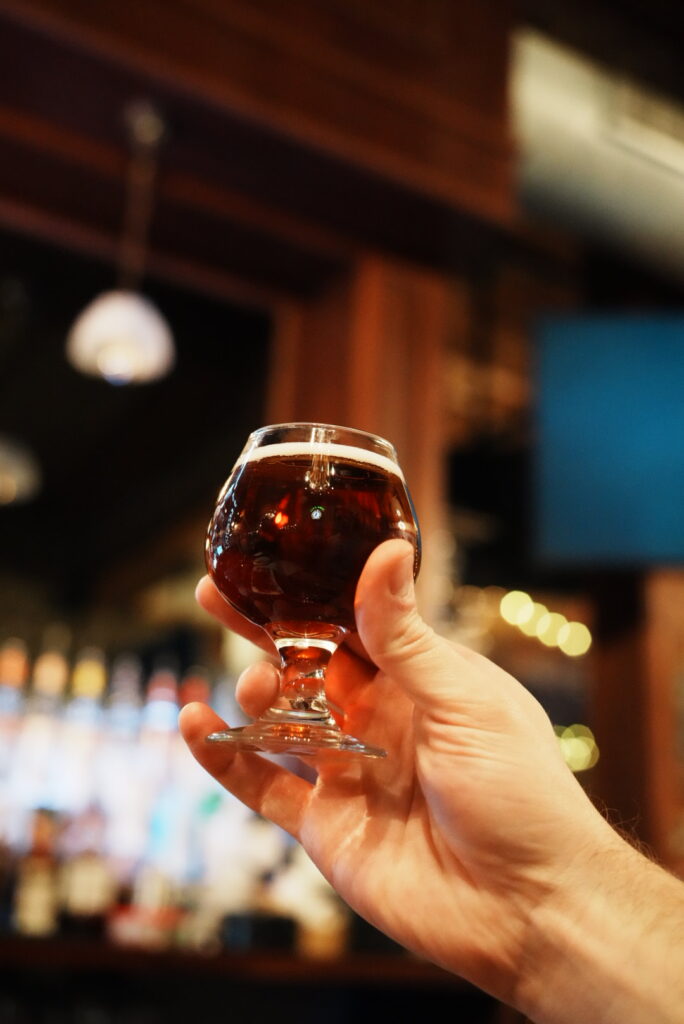
Our panel notes: Aromatically, the wine barrel showed first: dark red fruit, dried plum, and light oak character. The palate layered in raisin, bittersweet chocolate, caramel, and red-berry skin, finishing dry rather than sweet. As the glass warmed, tannins became more pronounced and the beer felt increasingly vinous—almost like a red-wine bridge for people who usually avoid heavy dark beer.
Context that mattered: This was one of the few pours where multiple tasters noted that it gets better with time in glass. It rewarded patience.
Why it’s a must-order: Unique, structured, complex, and confident—a serious beer that invites another sip and conversation.
5) Tennessee Dessert
Imperial stout aged in whiskey barrels with Belgian dark chocolate
The name suggests a pastry bomb, but this turned out to be much more balanced than expected.
Brewery notes: rich chocolate dessert soaked in whiskey.
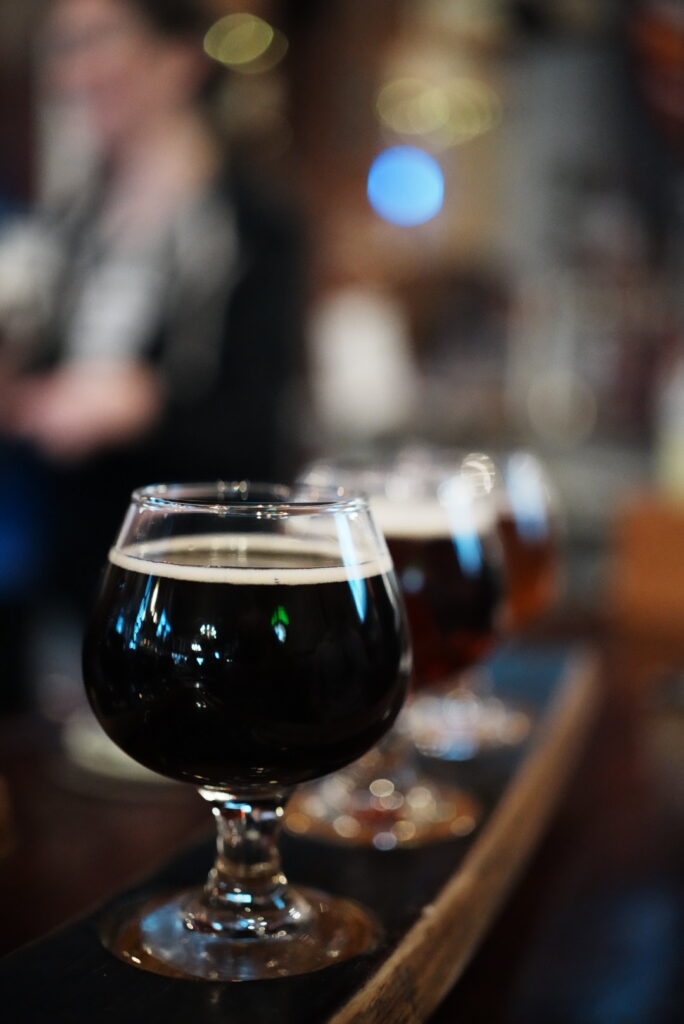
Our panel notes: Deep brown-black pour with restrained head, then a nose of baker’s chocolate, whiskey oak, and a faint toffee edge. On the palate, multiple tasters got tootsie-roll and dark cocoa first, then a smoother chocolate-syrup impression as it sat. The whiskey shows, but it doesn’t overwhelm. Importantly, it stays balanced and never tips cloying.
Context that mattered: This was the safe pick in the best sense—approachable enough for a broad range of palates, but still flavorful enough to satisfy barrel-aged regulars. This year’s version is not served on nitro as last year’s was, a decision that, in our opinion, was the right one as it lets the beer show more of its full expression when not muted under a nitro cascade.
Why it’s a must-order: It’s the crowd-pleaser that actually earns the title.
6) Land of Springs
Belgian ale aged in Jamaican rum barrels
One of the biggest overperformers of the week—and arguably the sleeper hit of the whole lineup.
Brewery notes: plum, raisin, sugar, banana, coconut milk.
Our panel notes: Aroma opened with spiced fruit, rum sweetness, and light phenolic lift. On the palate, it leaned into bananas foster territory—banana, molasses, caramelized sugar, and cooked-fruit richness—without collapsing into sweetness. The Belgian yeast character played especially well with rum barrel esters, creating a layered profile that kept shifting as it warmed.
Context that mattered: More than one person at our table initially guessed a different barrel type on first pass, then came back to this beer and appreciated how tightly it came together on revisit. The longer it sat, the bigger the complexity grew—and the enjoyment along with it.
Why it’s a must-order: It’s a great example of yeast/barrel synergy done right, with depth and personality in equal measure.
7) Cold Runnings
Scottish Wee Heavy aged in Jamaican rum barrels
A beer that improved significantly in real time and rewarded the slow-drinking approach.
Brewery notes: fruit, roast, caramel, nougat.
Our panel notes: Early aroma showed brown sugar, rum cake, and a hint of roast. First sips leaned molasses-forward, then opened into caramelized banana/plantain, toffee, and a faint nougat note as temperature rose. The body is substantial and the carbonation restrained, which gives it a contemplative, sipping profile.
Context that mattered: This was one where several tasters had nearly identical notes: better after five minutes in hand. It changed enough in the glass to move up the board from its initial slotting.
Why it’s a must-order: Not the flashiest beer in the set, but a rewarding one if you give it time.
If You Have Room for More
If you’re continuing after the core seven, these are strong adds depending on your preferences:
- Twisted Trace (or Double Twisted Trace) for barleywine fans who want classic oak, malt depth, and warming structure.
- Manhattan Reserve if you find yourself wanting flavors reminiscent of the classic Wisconsin supper club cocktail, turned up a notch.
- Czar Jack if you’re in the mood for old-school imperial stout heft, char, and whiskey-forward attitude.
Final Thoughts
This year’s Barrel Aged Beer Week feels less like a one-style showcase and more like a full-spectrum display of what Town Hall’s program does best: intentional pairings, smart risk-taking, and a collection of beers that evolve in the glass instead of peaking in the first sip.
Yes, the stouts are strong. But the bigger story this year is breadth—wine-barrel finesse, rum-barrel beers that actually integrate, mixed-culture precision, and enough stylistic diversity to keep even seasoned drinkers on their toes.
If you’re heading in this week, be open-minded, split pours where you can, and call a cab if you need to. Virtually every pour you get will be a delicious lesson in expert craftwork, and you really can’t go wrong. But if you feel overwhelmed or simply need a starting point, use our list as a guide. With every beer you try, you’ll understand exactly why this event still matters so much in Minneapolis beer culture.
Now we’re just waiting for Town Hall to do a similar event—maybe smaller, maybe not—with nothing but big, barreled stouts and all the adjunct dessert character. One day, maybe.